Shepherds of the Quípar Valley
Collaboration with Britt Veltman
During a four-month research project organized by the Regeneration Academy, Britt Veltman and I immersed ourselves in the shepherding culture of the Quípar Valley in Murcia, Spain. The research began broadly, focusing on the question “What is disappearing in the valley?” where we investigated various things that are disappearing here. We focused primarily on the question ‘‘What emerges from what is disappearing?’’ This curiosity brought us back to the shepherds time and time again. This is a dying profession, and there are only about five shepherds left in this valley. There used to be around 20 or 30.
Tijdens een vier maanden durend onderzoeksproject, georganiseerd door de Regeneration Academy, hebben Britt Veltman en ik ons verdiept in de herders cultuur van de Quípar-vallei in Murcia, Spanje. Het onderzoek begon vanuit een brede vraag: “Wat verdwijnt er in deze vallei?” We onderzochten verschillende elementen die langzaam uit dit gebied verdwijnen. Uiteindelijk richtten we ons vooral op de vraag: “Wat ontstaat er vanuit wat verdwijnt?” Deze nieuwsgierigheid bracht ons telkens opnieuw terug naar de herders. Het herderschap is een uitstervend beroep; in deze vallei zijn nog slechts ongeveer vijf herders actief, terwijl dat er vroeger twintig tot dertig waren.
‘Why is this beautiful profession disappearing, and what can we learn from this lifestyle that is still so closely connected to the landscape?’
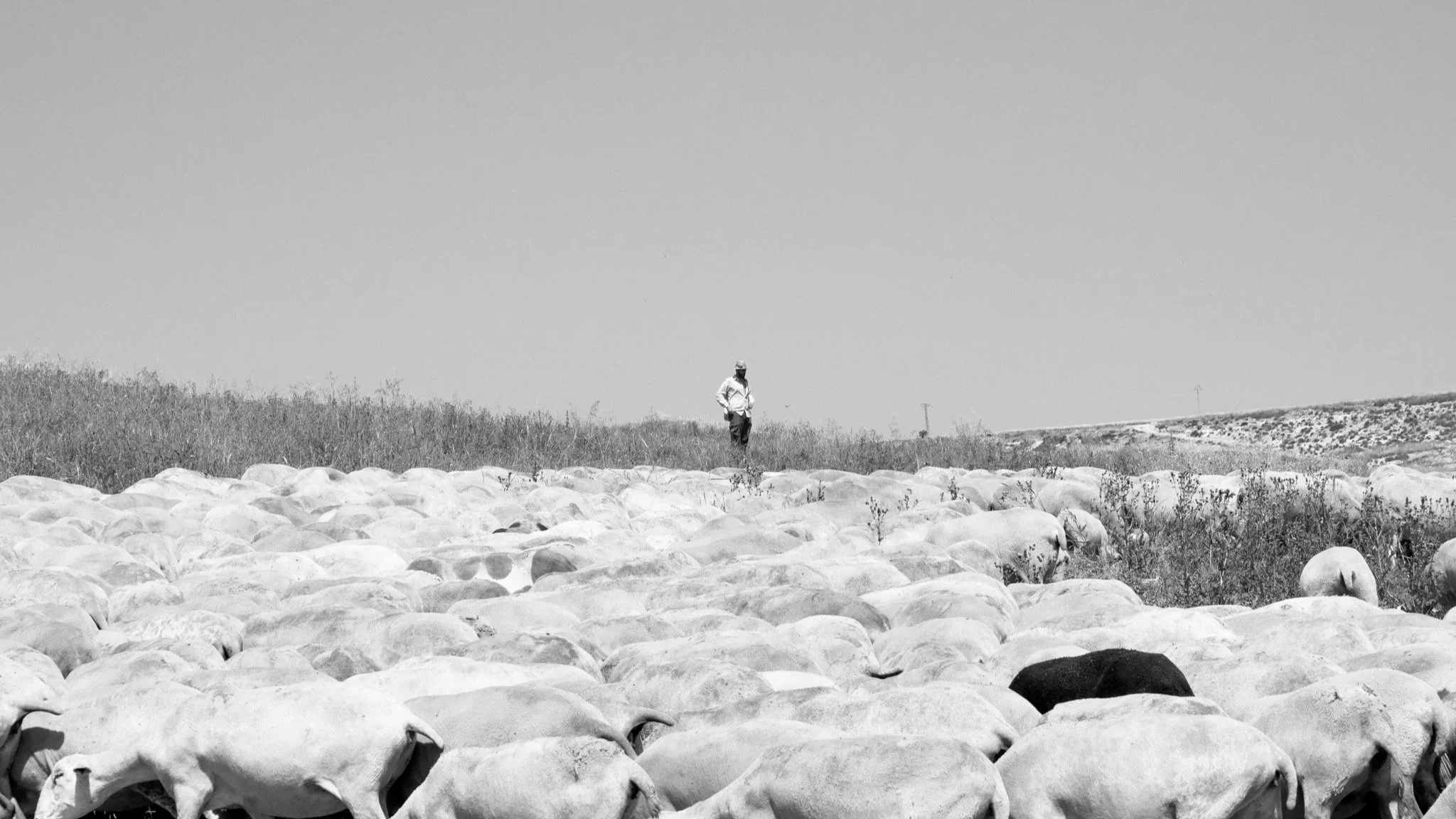
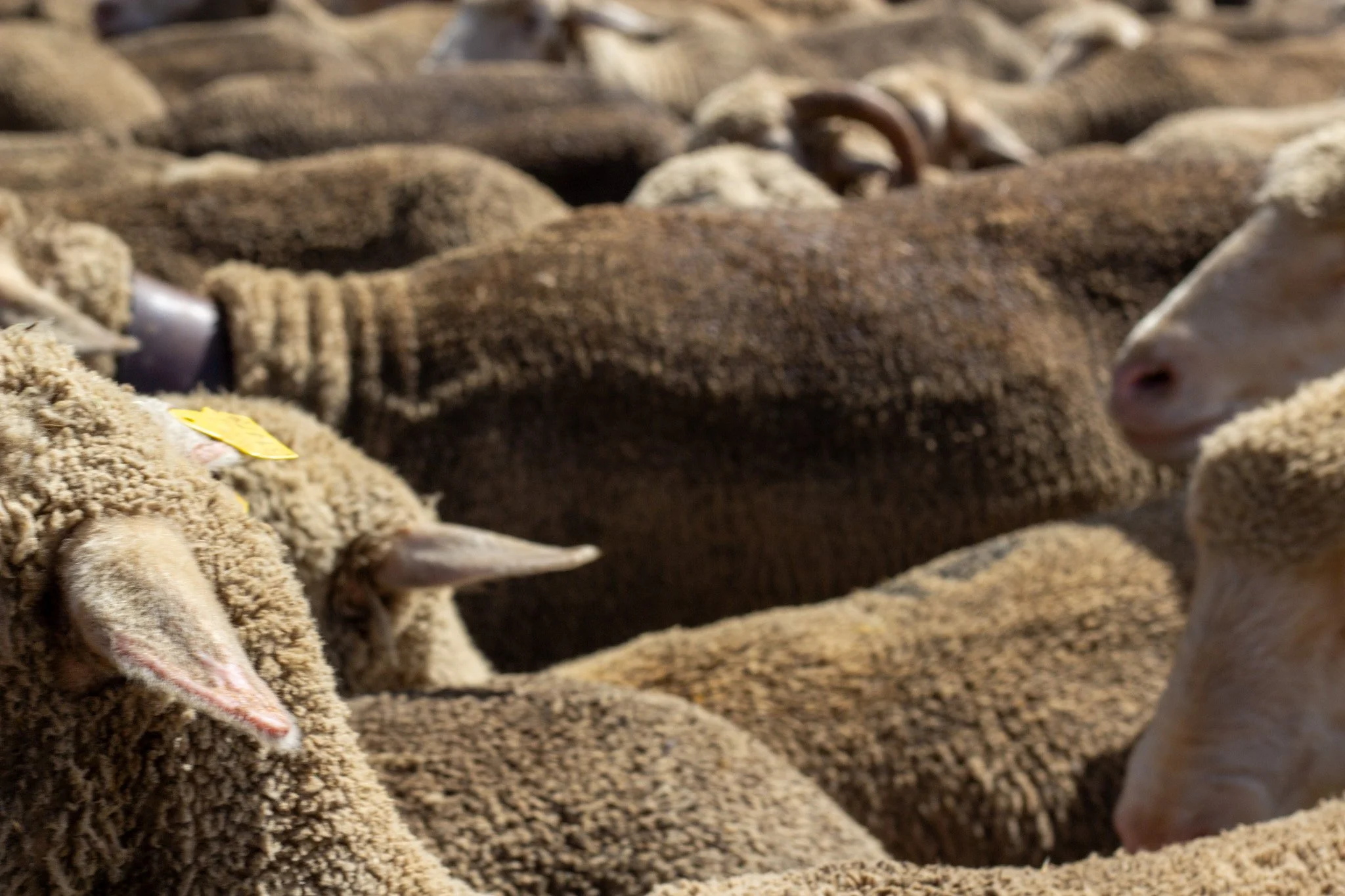
Over a period of four months, we accompanied the shepherds from this dry area several times. We asked them questions about their profession and observed them while walking with their flocks. It soon became clear that there is a triangular relationship between shepherd, flock, and the landscape. These three elements are constantly dependent on each other. The shepherd leads the flock in the right direction to graze. He communicates this to the sheep by using his unique call. The sheep know where to go to graze and ensure that the landscape remains intact. The herd is particularly important in this dry region in southern Spain, as it prevents many forest fires. Besides that they also spread various seeds across the landscape with their wool, which, combined with their manure and trampling, fills the landscape with diverse biodiversity. A profession that takes care of the landscape and the animals, but receives little appreciation or support from the local community or the government. With this project, we are trying to bring attention to the beauty and importance of shepherding in this valley.
Gedurende vier maanden trokken we meerdere keren mee met de herders uit dit droge gebied. We stelden hen vragen over hun beroep en observeerden hen tijdens het lopen met de kuddes. Al snel werd duidelijk dat er een driehoeksverhouding bestaat tussen de herder, de kudde en het landschap. Deze drie elementen zijn voortdurend van elkaar afhankelijk. De herder leidt de kudde naar de juiste plekken om te grazen en communiceert met de schapen via zijn eigen unieke roep. De schapen weten waar ze moeten grazen en dragen tegelijkertijd bij aan het behoud van het landschap. De kuddes zijn van groot belang in deze droge regio in het zuiden van Spanje, omdat ze helpen bosbranden te voorkomen. Daarnaast verspreiden de schapen via hun wol allerlei zaden door het landschap. In combinatie met hun mest en het vertrappen van de grond zorgt dit voor een rijke biodiversiteit. Het is een beroep dat zorg draagt voor zowel het landschap als de dieren, maar dat weinig waardering of ondersteuning krijgt vanuit de lokale gemeenschap of de overheid. Met dit project proberen we aandacht te vragen voor de schoonheid en het belang van het herderschap in deze vallei.
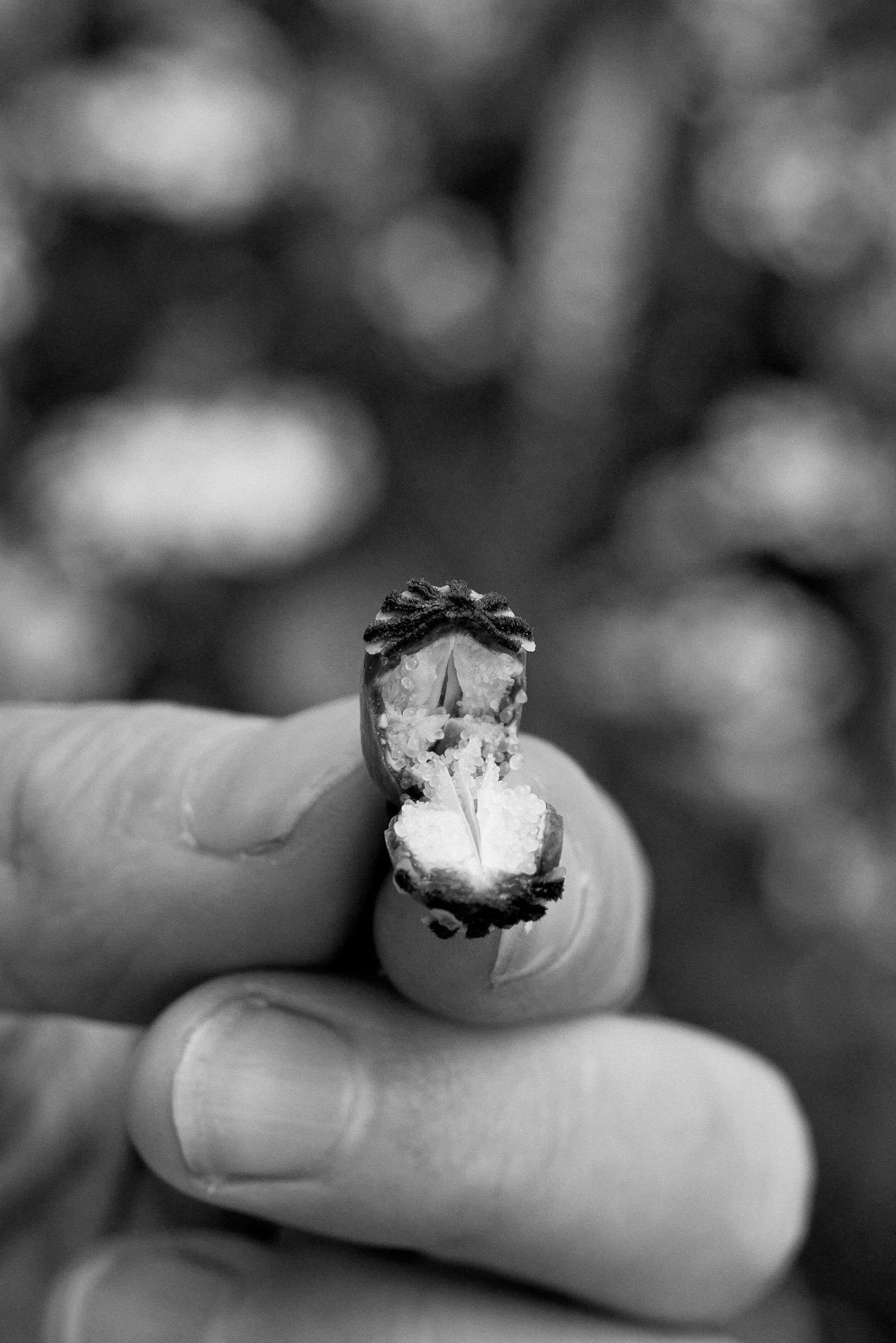
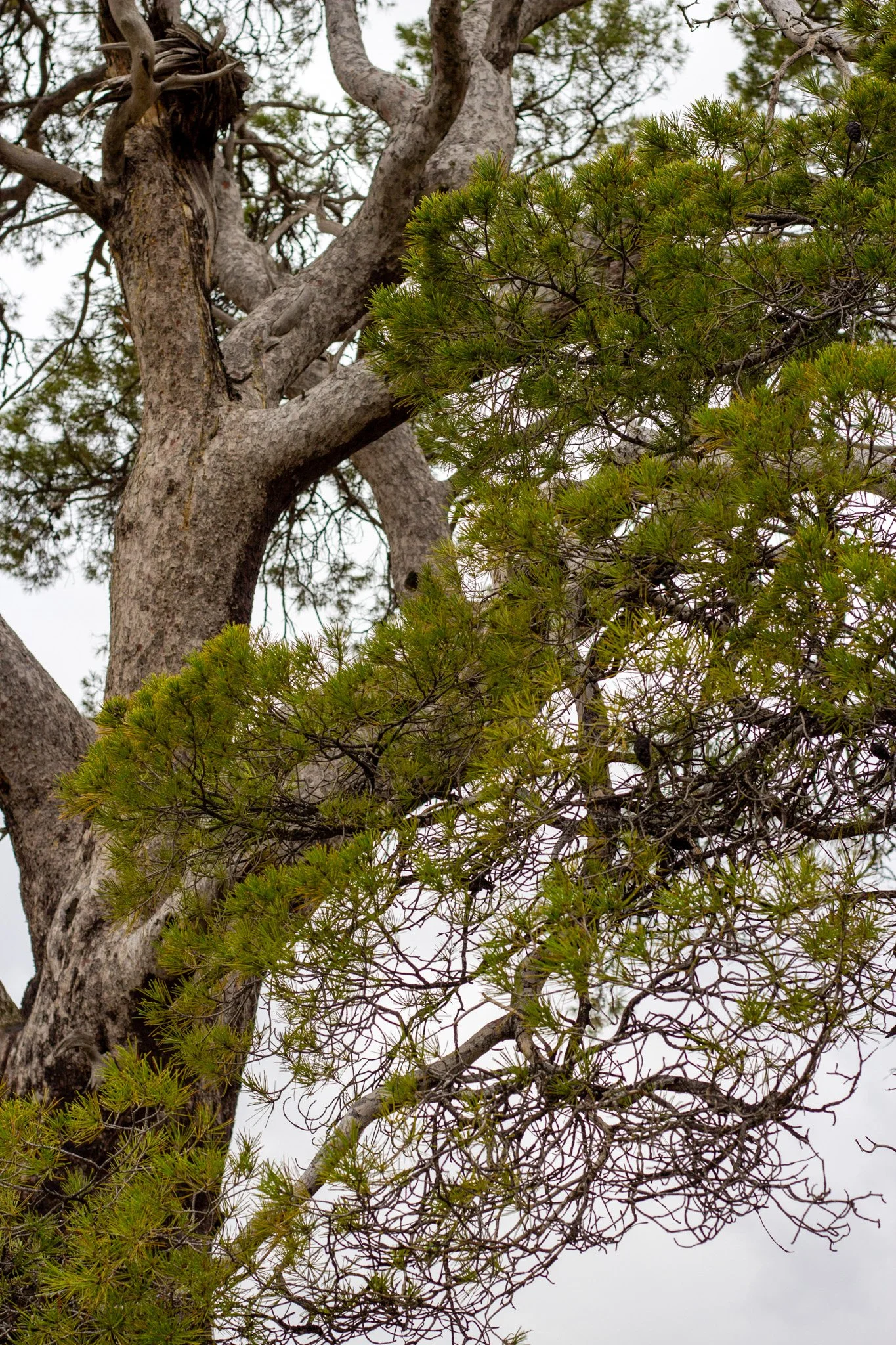
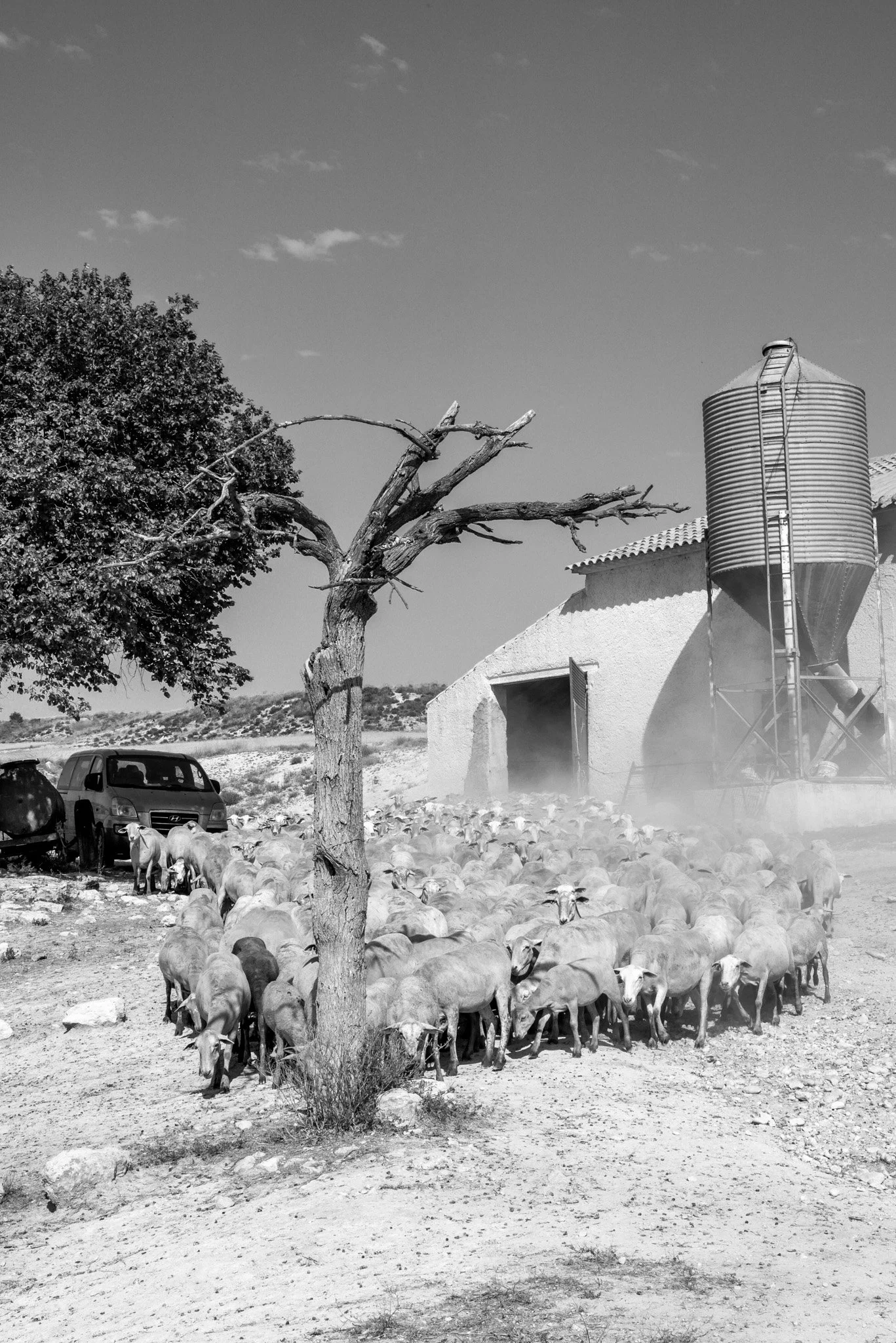
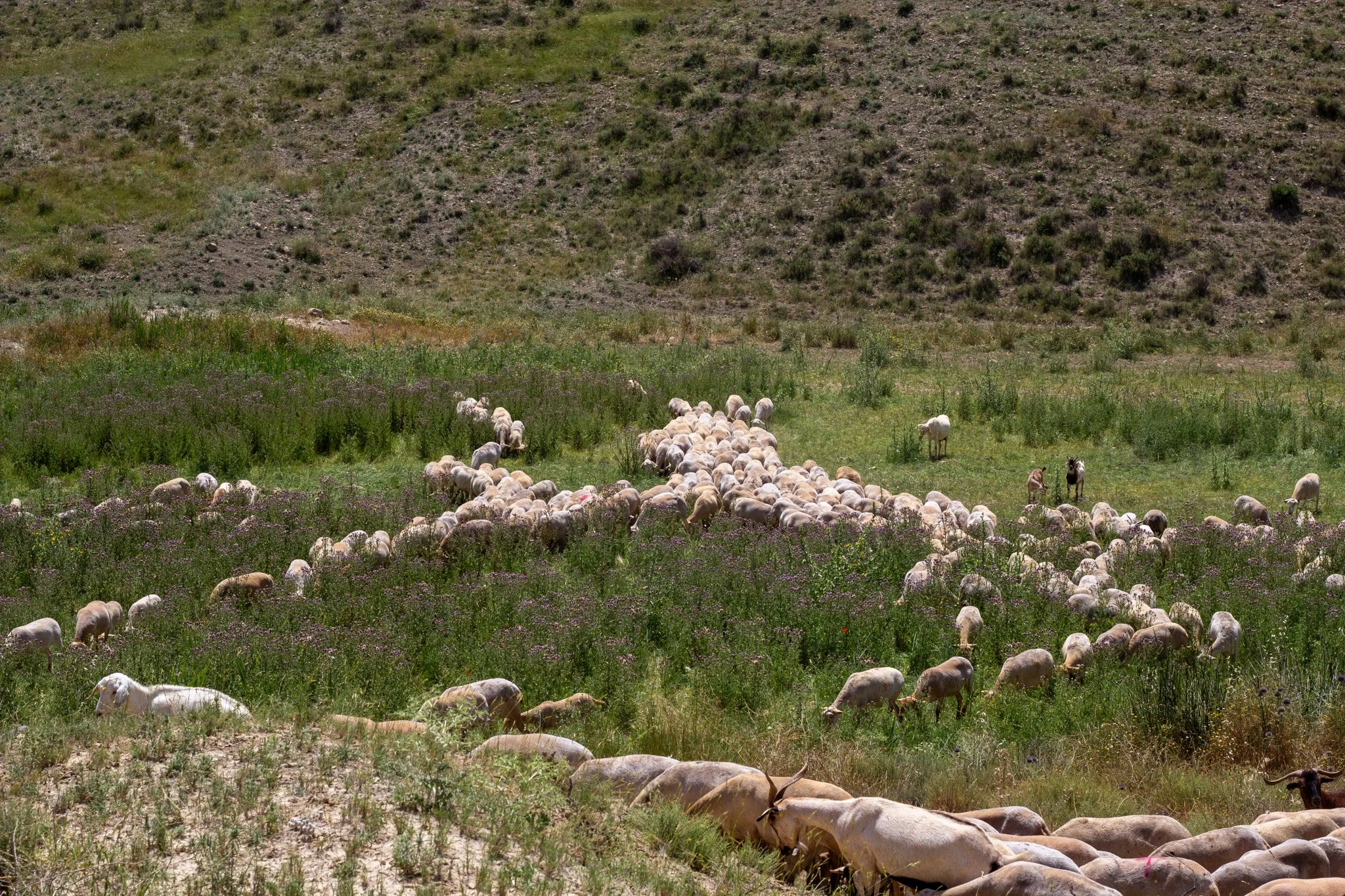
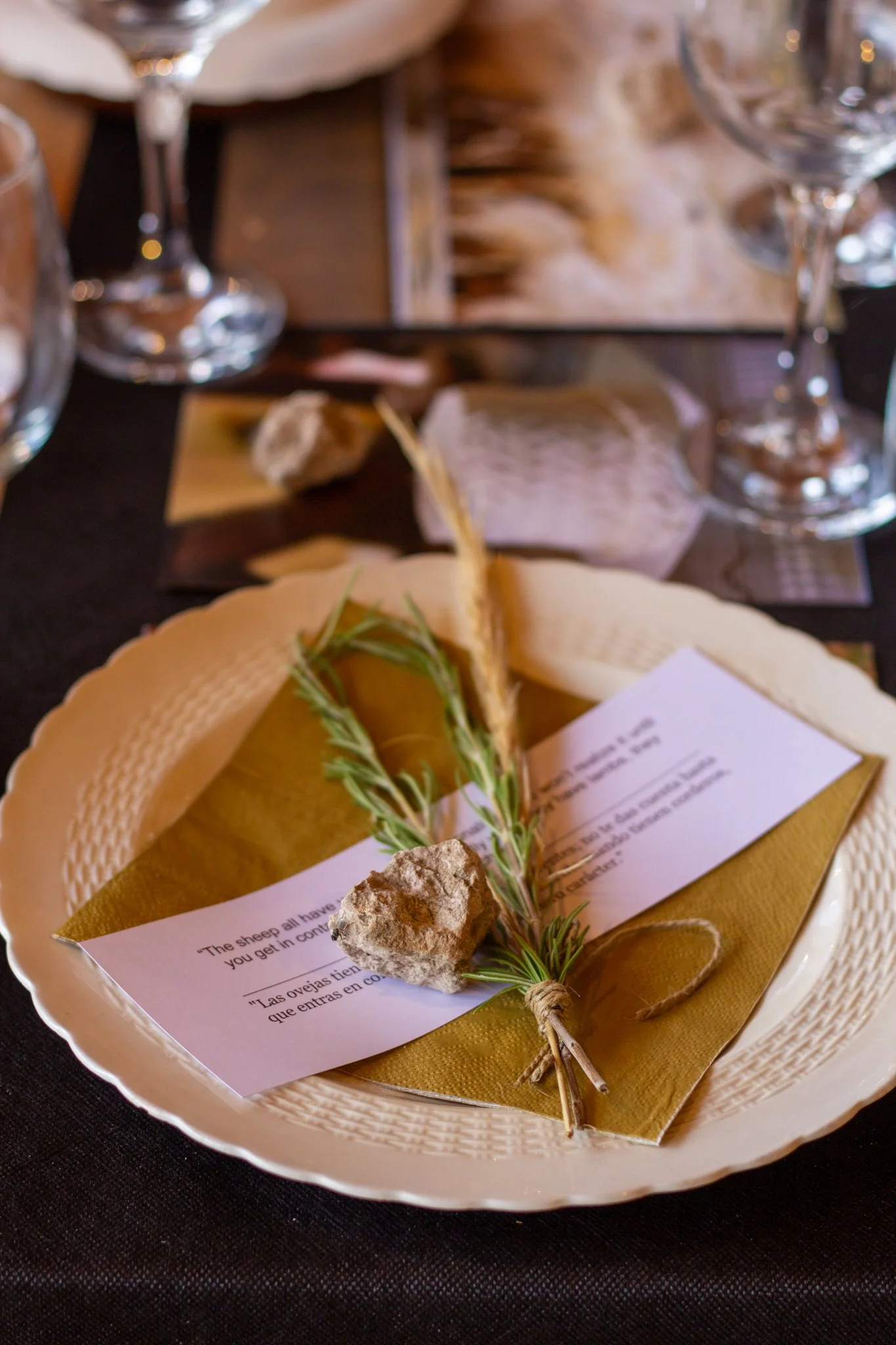
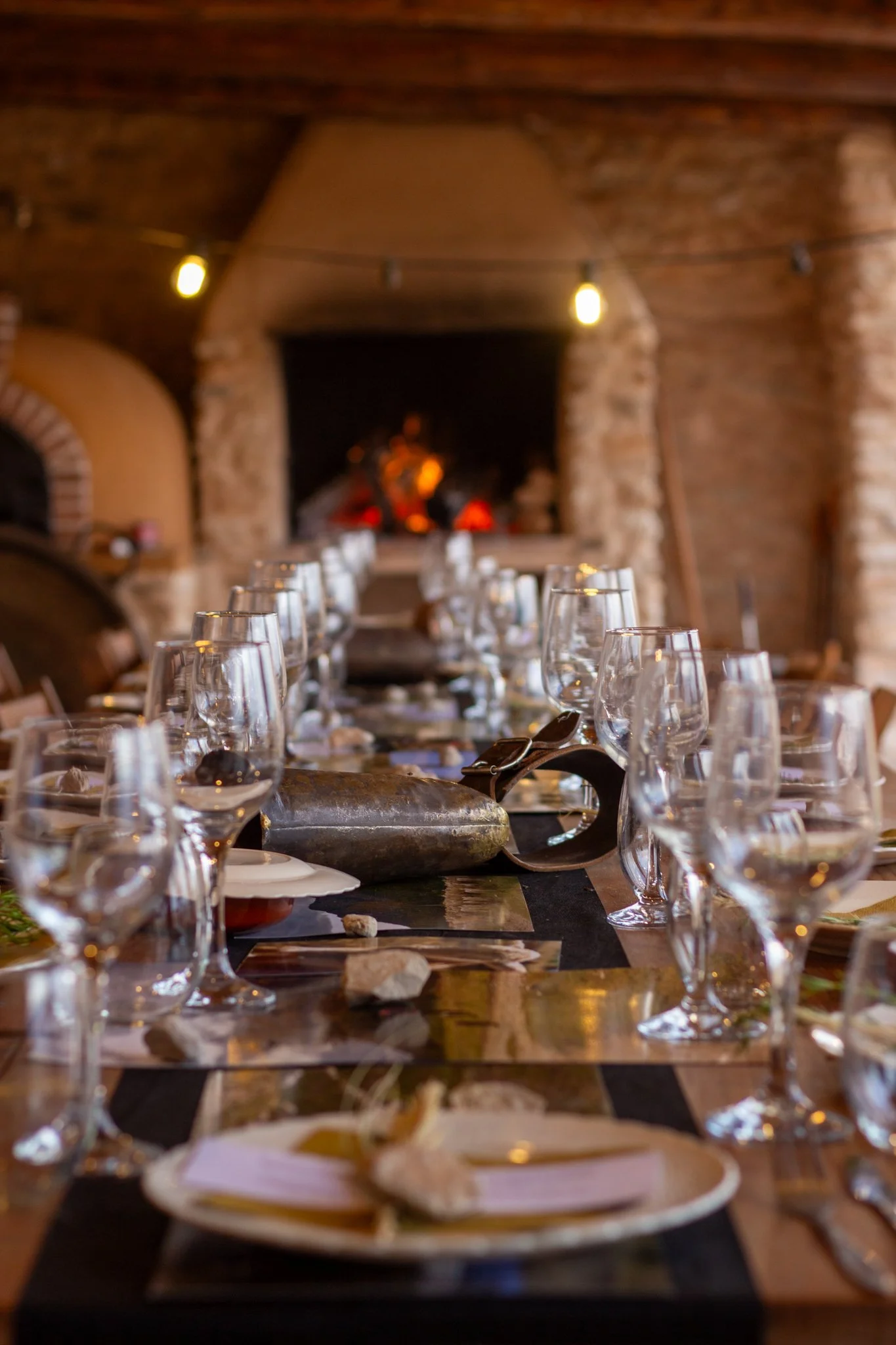
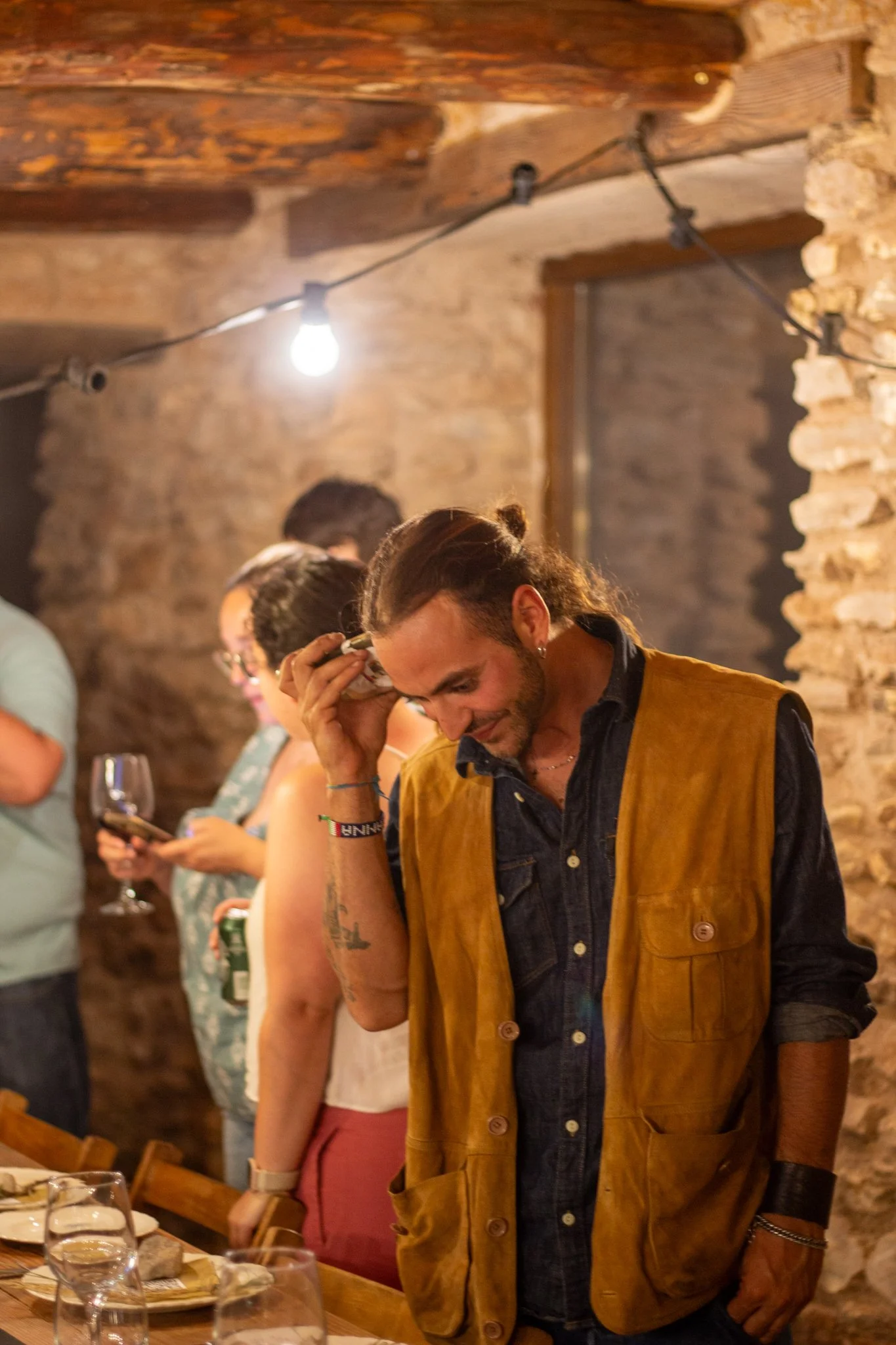
During the last weekend of our time in Murcia, we gathered everyone we had worked with at La Junquera to conclude our research and share our findings. We’ve hosted a dinner for the four shepherds we’ve followed in the past few months and their family’s. Eating together is very bonding, which was precisely the purpose of this evening. The event was an opportunity to thank everyone, including the shepherds and to exhibit fragments of our research. On the long dinner table there were objects and photographs that we’ve collected. And there were quotes on all the plates that told something about the work of the shepherds and their reading of the landscape. On some plates were QR codes to scan that played the different calls of the shepherds to their flocks.
Tijdens het laatste weekend van onze tijd in Murcia brachten we iedereen met wie we hadden samengewerkt samen bij La Junquera om ons onderzoek af te ronden en onze bevindingen te delen. We organiseerden een diner voor de vier herders die we de afgelopen maanden hebben gevolgd, samen met hun families. Samen eten verbindt, en dat was precies het doel van deze avond. Het evenement bood een moment om iedereen en in het bijzonder de herders te bedanken en fragmenten van ons onderzoek te tonen. Op de lange eettafel lagen objecten en foto’s die we tijdens ons onderzoek hadden verzameld. Op alle borden stonden quotes die iets vertelden over het werk van de herders en hun manier van het lezen van het landschap. Op sommige borden stonden QR-codes die bezoekers konden scannen om de verschillende roepen van de herders naar hun kuddes te beluisteren.
This research is part of a bigger project that is going to take place in different regions where sheep are still herded by shepherds today.
To be continued in the Netherlands.
Dit onderzoek maakt deel uit van een groter project dat zal plaatsvinden in verschillende regio’s waar schapen nog altijd door herders worden gehoed.
Wordt vervolgd in Nederland.
2025 - Present
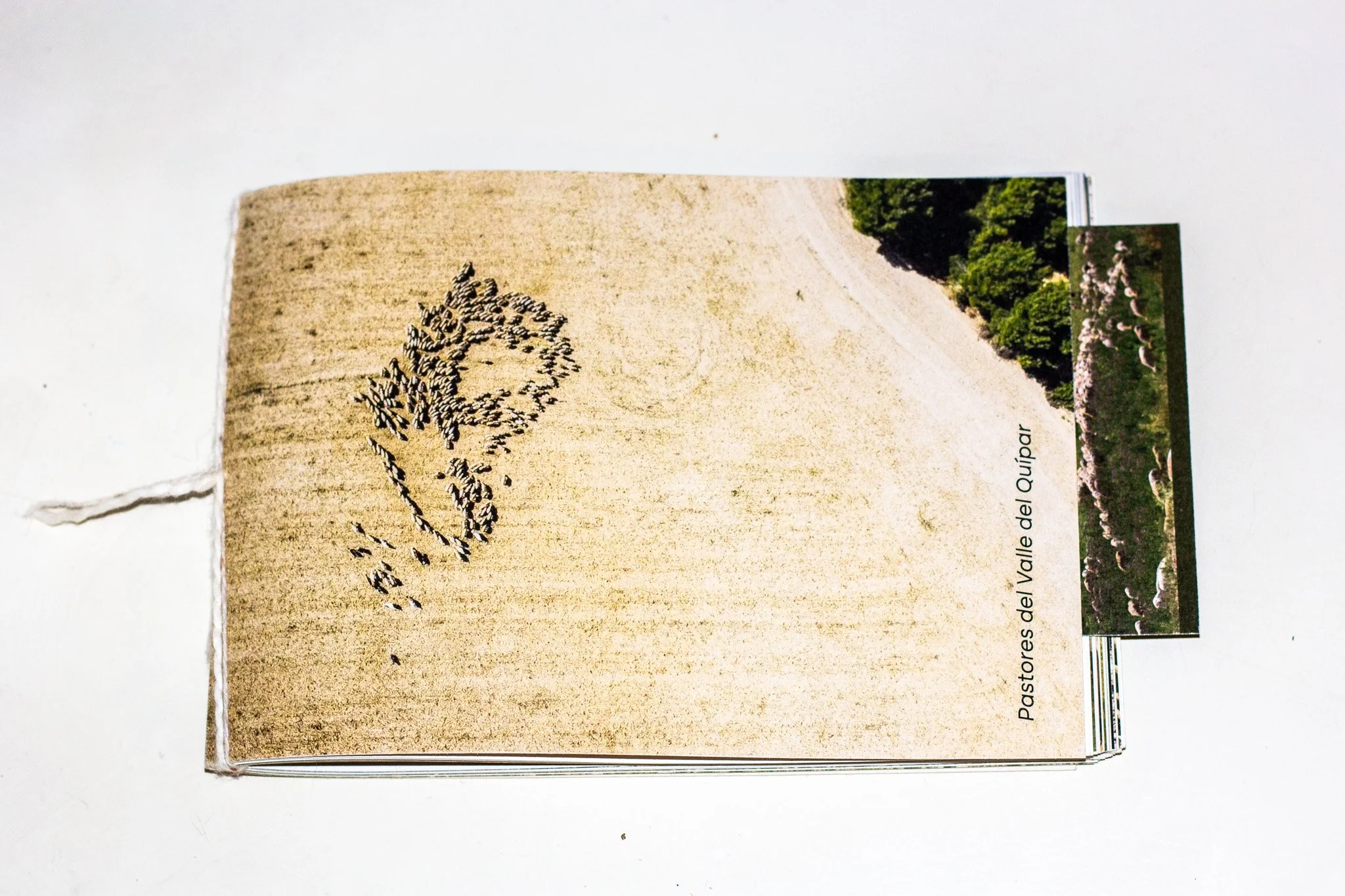
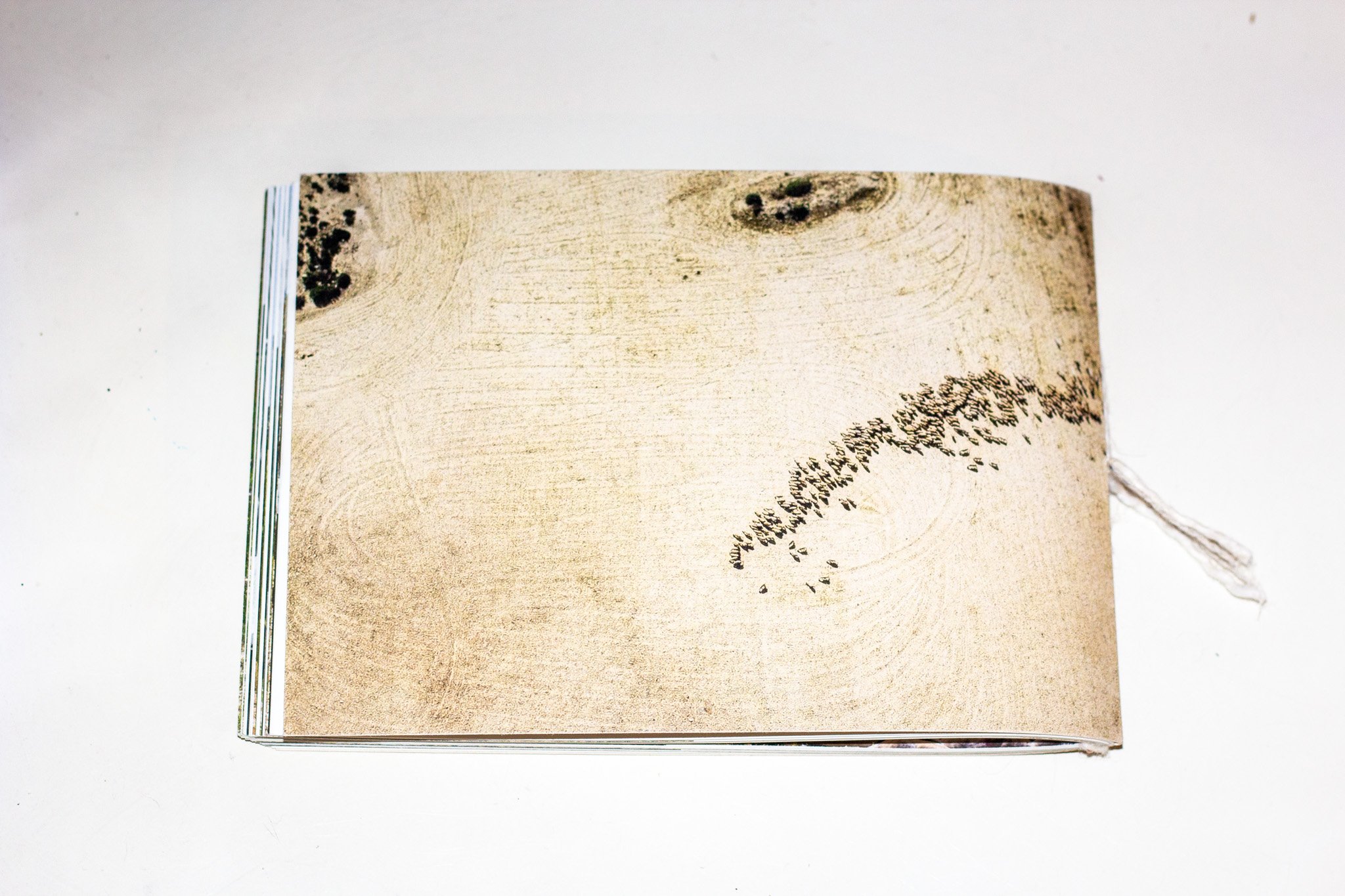
Pastores del Valle del Quípar
A photobook about the shepherds of the Quípar Valley where the beautiful interaction between human, animal and the landscape becomes visible.
Please get in touch if you are interested in purchasing a publication.